There are few aspects of the superheroes story that are as vital and sometimes overused as the origin story. With so many superhero films coming out these days, many of them end up being origin stories. When it comes to Marvel films in particular, the main stream public may not have even heard of the characters starring in the films. Which is larger reason why we have so many superhero origin films. Once you get past Batman, Superman, Wonder Woman, and Spider-Man, there may not be as much brand familiarity with the public. Even though many people, myself included, are somewhat sick of the superhero origin story, over the last few years there have been a few excellent modern retelling’s of the origins of some of DC’s most famous characters. Even though some of these characters already have origin stories that some people would consider to be definitive, I thought it was worth listing some of these excellent stories. Forget for a moment that they are origins because they’re all simply great stories. All of these books are well worth your time.
One important point is that, what some of these stories have in common is they use the term “Year One” in their title. For those of you who don’t already know, the reason for this is Batman: Year One by Frank Miller is considered to be one of the greatest Batman stories ever told. Published in 1987, it was a modern retelling of Batman’s origin. The story is so famous and revered that the term “Year One” has been adopted as a synonym for a modern retelling of a superhero’s origin story. I’m not at all discounting other excellent origin stories like Batman:Year One, I’m just offering some fun, recent alternatives. Enjoy!
Batman:


Batman: Zero Year
Writer: Scott Snyder/Artist: Greg Capullo
(Collected in Batman vol.4 Zero Year- Secret City/ Batman vol.5 Zero Year-Dark City)
Smack in the middle of their instant classic run on Batman, Snyder and Capullo made the bold choice to retell the beginning of Bruce Wayne’s career as Batman. This was a risky storytelling choice for a few reasons. First, of all whether it’s on tv, film, or comics, it seems like we’ve seen Batman’s origin told a hundred times. Second, many people consider that the definitive Batman origin story had already been told in Frank Miller’s groundbreaking 80’s classic, Batman: Year One. Snyder and Capullo were all too aware that Batman: Year One was sacrosanct to many, but they felt confidence in the story they were telling.
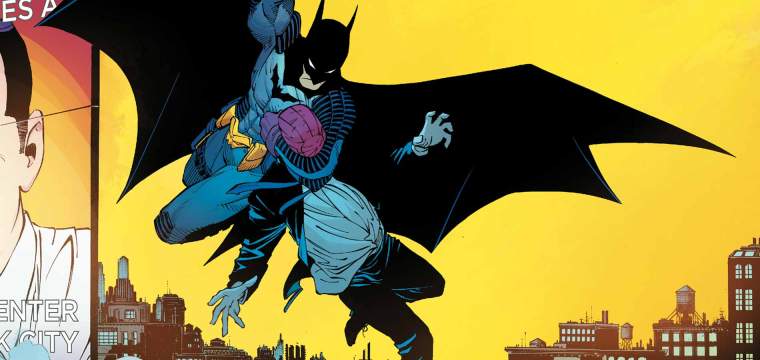
Ultimately they were proven right, Zero Year is a unique, exciting, vibrant Batman story. Though the framework may have seemed like something we’ve seen many times, the contents of the story felt unexpected and new. First of all, they don’t choose to make this any kind of period piece. Even though it may not make chronological sense, since this takes place in the “present”. I think they wanted to feel like this was a cutting-edge Batman. As he’s shown time and time again, Greg Capullo’s art is absolutely vital to the story and it seems like every arc he works on with Snyder he gets better and better. Like their entire Batman run, the character work is what really draws you in. This is a slightly different Bruce Wayne than we are used to seeing. He’s a little bit more raw, a little bit more cocky. But he still the same broken, damaged person that we’ve all come to know over the years. His relationship with Alfred is a highlight of the story. Alfred views Bruce as his son and he hates the idea of Bruce embarking on a life of pain, danger, and misery. There are a few interesting scenes where they come into pretty heated conflict over Bruce’s decisions. There is an absolutely heartbreaking scene towards the end of the story where Alfred reflects on what might’ve been had Bruce been able to let go of his grief and move on with his life.
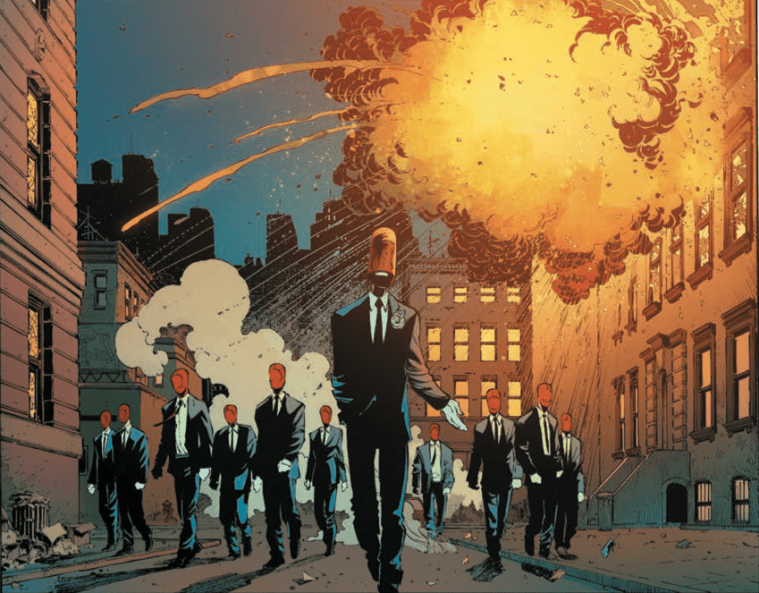
Updating old Batman ideas is another strong point of this story arc, for example the one thing we know about The Joker is that, early in his career Batman fought a man dressed as The Red Hood at Ace Chemicals and in the fight that man fell into a vat of chemicals. We have no idea who he was before, all we know is that the man who came out of that is out of chemicals was The Joker. This story has a brilliant update on the whole concept of The Red Hood and who and what The Joker may have been like before his fateful encounter with Batman at Ace Chemicals.

The Riddler is a presence in the story from the beginning, but in the back half he becomes the main antagonist. I wrote The Riddler off as a lamer version of The Joker a long time ago, but in recent years, certain writers have done a lot to make the character much more interesting and a legitimately dangerous and formidable foe for Batman. The Riddler’s grand plan for the city is really different and cool and I won’t spoil it here.
Snyder and Capullo’s entire Batman run is a must read for any comic book fan. Frank Miller’s Batman: Year One will always be a classic, but if you get sick of reading it for the 50th time, Zero Year is a fantastic alternative.
Pick it up here:
Superman
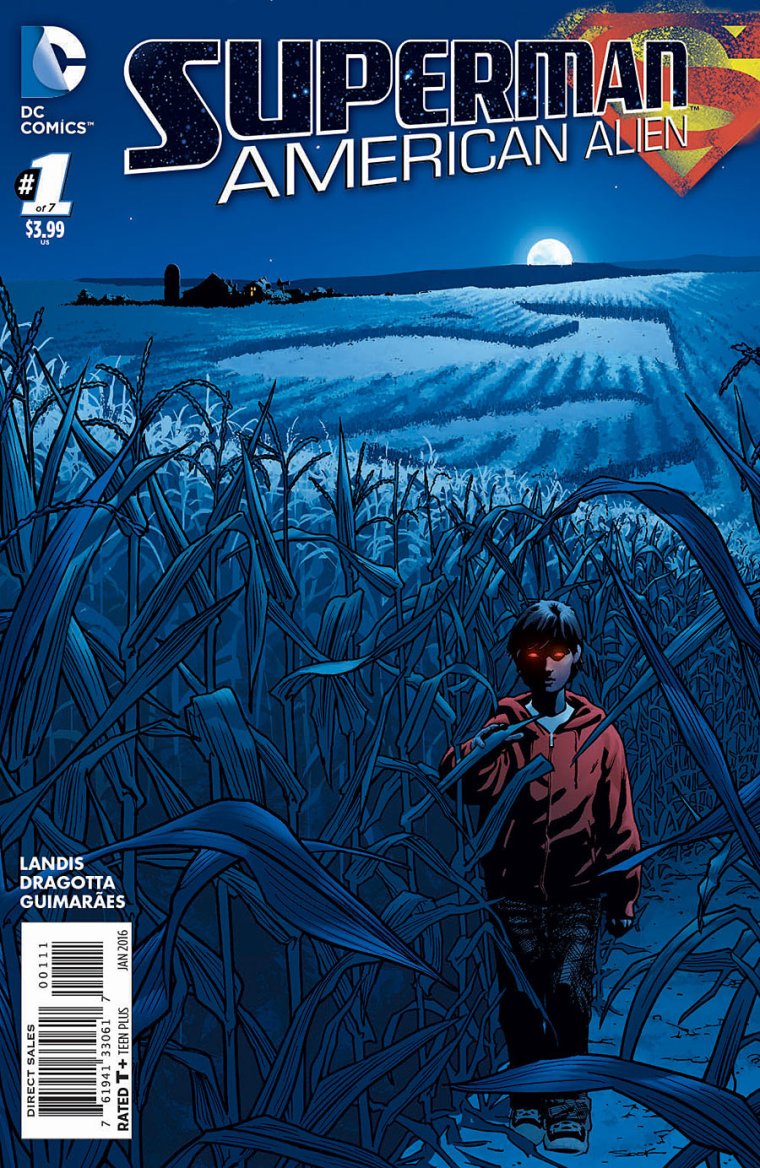
Superman: American Alien – writer: Max Landis/artists:Various
Superman is arguably one of the most famous characters in the history of fiction. There are dozens of excellent Superman stories from writers like Grant Morrison, Mark Waid, and Mark Millar (I have some big problems with Millar’s writing, but he’s written at least one classic Superman tale). A lot of the stories are takes on Superman’s origin. Superman has such a powerful and primal origin story that it’s not surprising so many great writers have taken a crack at it. I have no doubt that if humanity is still around hundreds of years from now, we’ll still be telling tales of the last son of a dying world, sent to Earth in a cosmic ark by his desperate parents, raised by a kindly human couple to become Earth’s greatest protector. Superman: American Alien is not only one of my favorite Superman stories, it maybe one of the best comic books I’ve ever read.
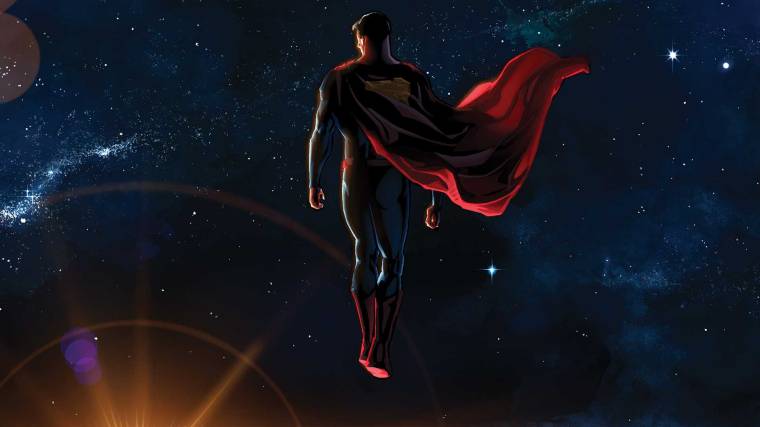
Written by Max Landis, with each of the issues drawn by a different incredible artist, including Jock, Francis Manapul, and Jai Lee to name a few. Each issue chronicles a key part of Clark Kents life, beginning with his time in Smallville as a boy, just learning about his powers and ending with his earliest days as Superman. Each issue shows Clark learning a valuable lesson not only about life, but about himself and his origins, the power he holds, and what if any responsibility he has to the rest of the world. I’ve never read Superman story quite like this. It’s really about a young man trying to figure out what his place in the world is. I’m under selling it, this book is masterfully written. This is exactly how I believe Superman should be portrayed. He isn’t a god, he has limits. Some of the best parts of the story revolves around him finding out exactly what those limits are. But perhaps most importantly, Superman: American Alien shows that Clark Kent isn’t this absurd, nerdy facade he creates to blend in with the rest of mankind, nor is he some perfect Christ-like hero. Clark Kent is the kid who grew up in Smallville, in the middle of America. He’s the son of farmers, Jonathan and Martha Kent. He may be an alien, but he’s one of the most human heroes of all. I feel like a lot of writers forget that, which is a shame. I think the people who are making the DC Extended Universe films would do well to read this mini-series. I would be remiss if I didn’t mention how absolutely fucking stunning the art in this book is. As I said before each issue has a different artist and they each bring a wonderfully unique style to the story that they’re telling. The art is a huge draw for this book. One other great thing about this book is that we get a lot of wonderful and surprising cameos from characters throughout the DC universe (I won’t spoil who pops up, but they’re all really fun). This is one hell of a book and a must read for not only Superman fans but fans of superhero stories in general.
Pick it up here:
Wonder Woman
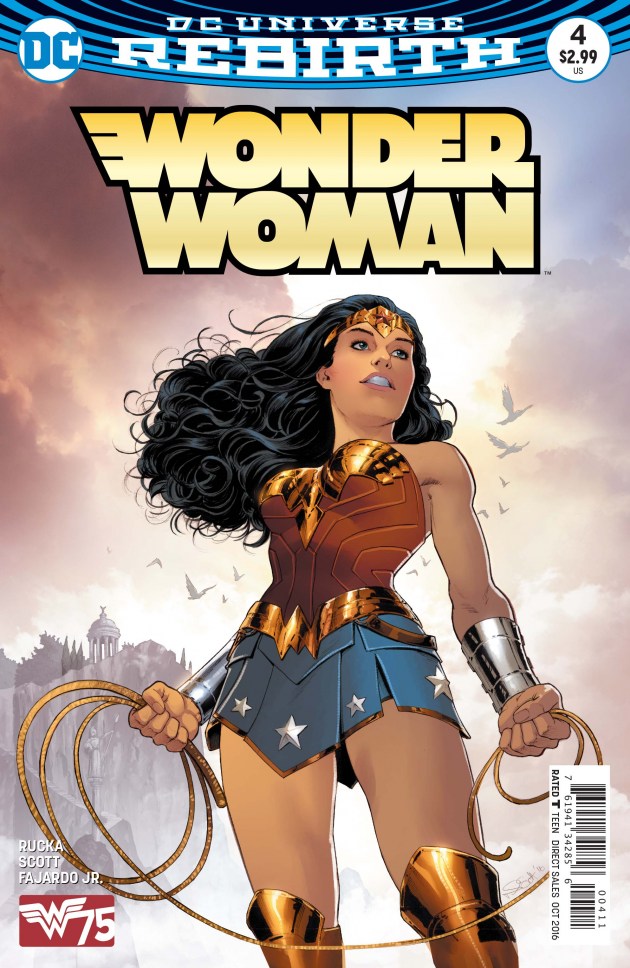
Wonder Woman: Year One – writer: Greg Rucks/artists:Niccola Scott
(Collected in Wonder Woman vol.2 Year One)
Wonder Woman is having a moment. After finally getting her own film, her star has never been higher. Luckily one of the best writers to ever work on Wonder Woman is currently writing the main Wonder Woman series. They just finished up an excellent modern update on her origin in Wonder Woman: Year One. If you’ve seen the film, this story hits some of the same beats, but in it’s own totally unique way. In fact I would say that the only part of the story that is relatively similar to the film, is Steve Trevor crashing his plane on Themiscyra. From there the story really goes in it’s own direction. She leaves her home with Steve Trevor as an ambassador to “Man’s World”. Steve is a military man, so that’s where he takes Diana because he’s still not quite sure what to make of her. While she isn’t exactly a prisoner, the military wants to make sure they keep tabs on this strange woman with extraordinary abilities. My favorite part of the story is the culture clash that occurs between Wonder Woman and her “handlers” in the American military.
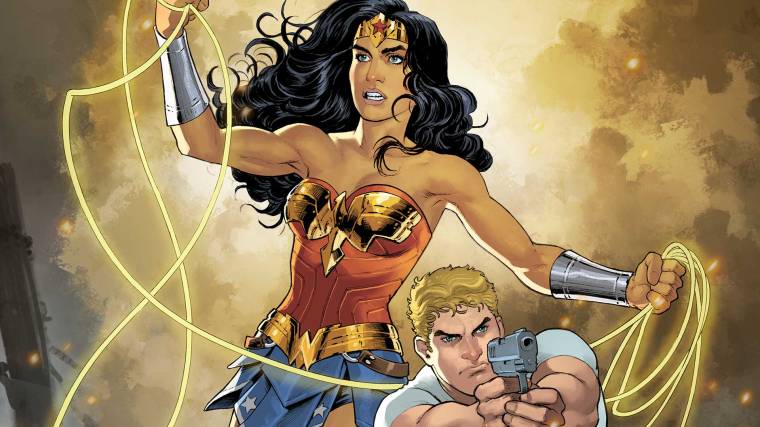
All of Wonder Woman’s classic supporting cast is present like Etta Candy and Dr. Barbara Minerva, the woman who will eventually become one of Wonder Woman’s most formidable rivals, Cheetah. Of course, Steve Trevor is a huge part of the story. Trevor feels a profound connection to this woman that immediately draws him to her. Ultimately, this is about Wonder Woman’s first encounter with the modern world and how she and the rest of the world react to her arrival. This is a wonderful jumping on point for fans of the Wonder Woman film.
Pick it up here:
Green Lantern
Green Lantern: Secret Origin – writer: Geoff Johns/artists:Ivan Reis
Like so many other people of my generation, Green Lantern was always John Stewart to me. John Stewart was the Green Lantern I saw fighting along side the Justice League every week as a founding member of the team on the classic Justice League animated series created by Bruce Timm. This is the team that brought us Batman The Animated Series and Superman The Animated Series. We had grown up with John Stewart as Green Lantern. He was our Green Lantern. In an industry where comic book heroes are predominately white males, it’s always great to see an African-American hero as cool as John Stewart in such a prominent role. He wasn’t defined by the color of his skin, he was a bad ass field commander who was always cool under pressure. In many ways he was the team leader on missions (no easy feat with Batman and Superman standing alongside you). However, if you pick up a Green Lantern book right now the focus is usually on Hal Jordan. John Stewart is still a big part of the Green Lantern books and comic mythology, but Hal Jordan tends to be in the spotlight theses days. Now, many of you may be asking who the HELL is Hal Jordan?

Well, Jon Stewart was not the first human to become a member of the Green Lantern Corps. That honor goes to Hal Jordan. Actually around 10 or 15 years ago, one of the greatest writers to ever work for DC Comics, Geoff Johns, wrote what many consider to be his magnum opus, his epic run on the Green Lantern comic book series. His story began with resurrecting the long dead Hal Jordan. You see, Hal Jordan had been dead for years, killed in a major comic book event years before. It wasn’t until Jordan’s absence that other Earth men became members of the Green Lantern Corps and stars in their own right, men like John Stewart. So when telling the definitive origin of the first human to become a member of the Green Lantern Corps, the story of course has to be about Hal Jordan. What’s great about this story is that it not only gives you a great origin for this character and his world, but it also introduces key characters and important events that come into play in very significant ways later in Geoff John’s epic Green Lantern story. So, if you want to pick up the rest of John’s Green Lantern comic book run (you should) after you read Green Lantern: Secret Origin, you’re already familiar with the characters and ideas that are key to enjoying the story. It’s a great story that shows how a young and cocky test pilot can become the greatest Green Lantern the universe has ever seen. While also introducing you to classic DC characters like Sinestro, Abin Sur, Black Hand, Atrocitus, Hector Hammond, and many more. Of course, Ivan Reis’ art is gorgeous and enhances the story. If you ever saw the Green Lantern movie and thought “Man, this really sucks.” Green Lantern: Secret Origin is the movie they should have made.
Pick it up here:
Green Arrow
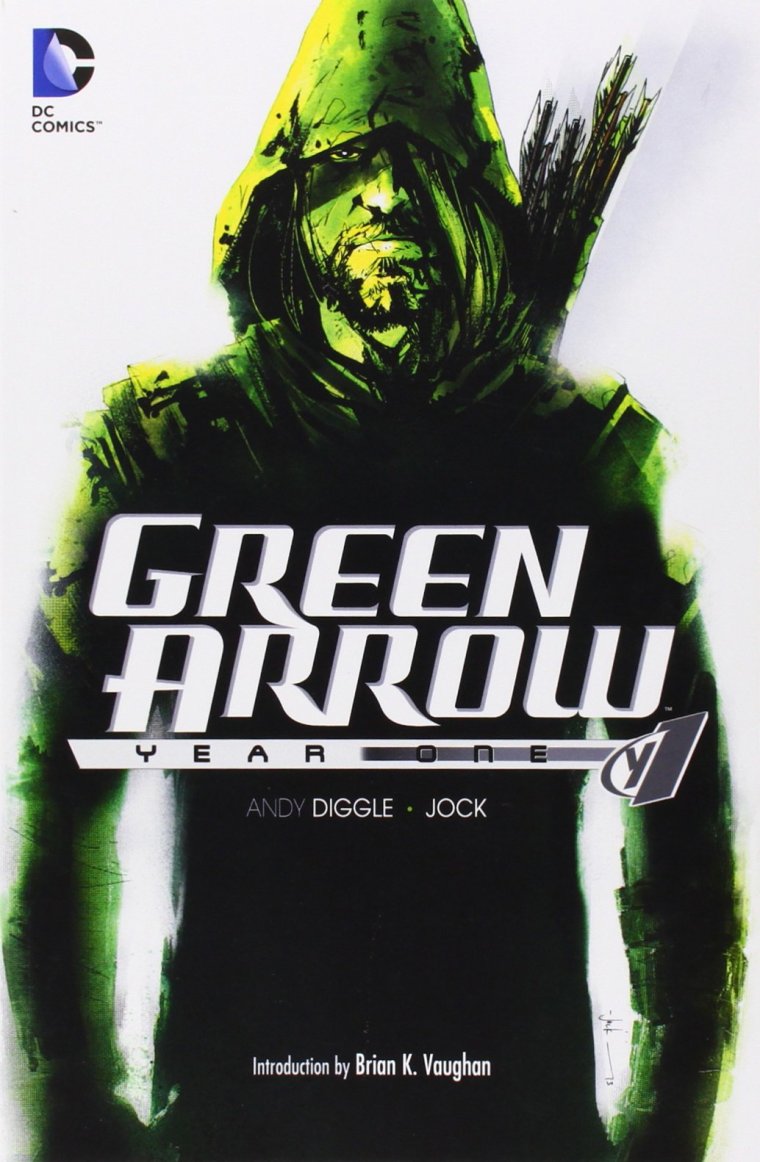 Green Arrow: Year One
Writer- Andy Diggle/Artist- Jock
Oliver Queen, billionaire dickhead. His gigantic yacht sinks and he winds up on an island in the middle of the fucking sea. He should’ve died pretty quickly, but he was able to find something inside himself he didn’t know was there. After surviving brutal trial after brutal trial on this horrific island, just wanting to get home, the boy who washed up on the shore of the island is eventually transformed into a man, into a hero. Obviously, he eventually gets off the island and becomes the vigilante/superhero Green Arrow.
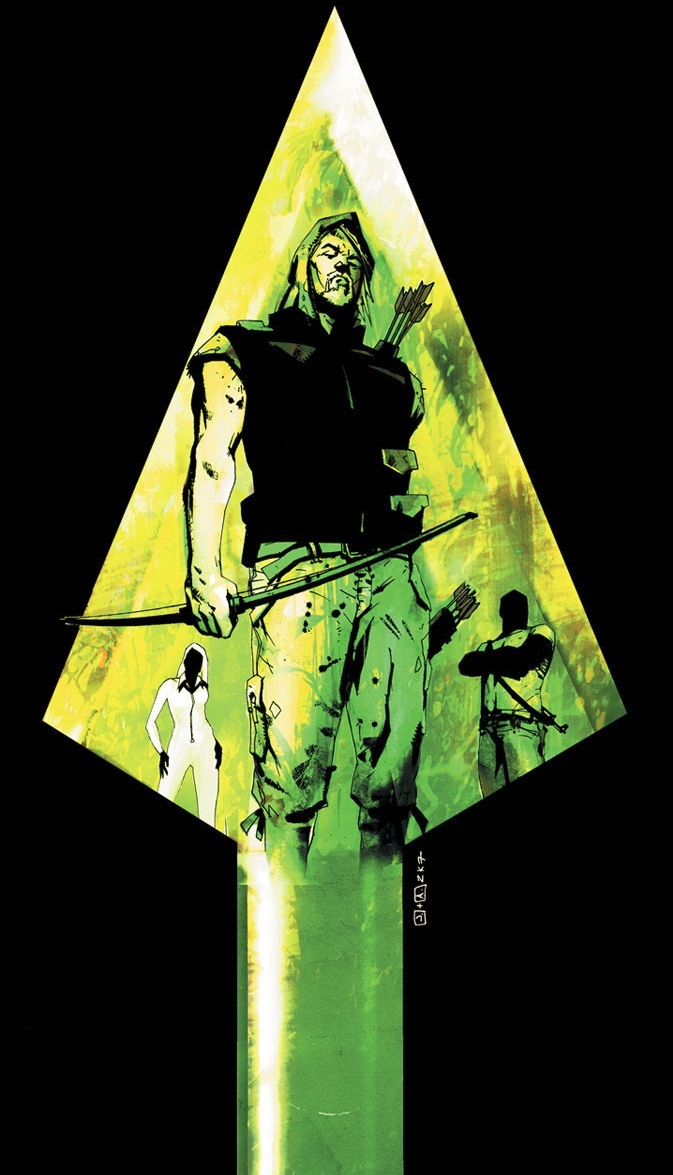 That’s the basic set up and obviously there’s a lot more to the story. But this is a relatively quick read and that’s not necessarily a bad thing in this case. This is an ideal graphic novel to start with if you’re a fan of the “Arrow” TV Series and are looking to check out the comics. It’s a stand alone graphic novel, so you don’t have to worry about reading any other stories to understand it. You could have never read a comic book before and you would understand this story perfectly fine. One of the biggest strengths is how the story takes a man like Oliver Queen, who at the beginning of the story is really kind of a piece of shit, and through his experiences on the island grows into a much better person. When it comes to the art, Jock has a beautiful, distinctive style that complements the relatively gritty nature of the story. After you’ve read this book, there are many excellent Green Arrow stories to dive into, but this is the best place to start. It’s the definitive modern origin of the character.
Pick it up here:
Honorable Mention:
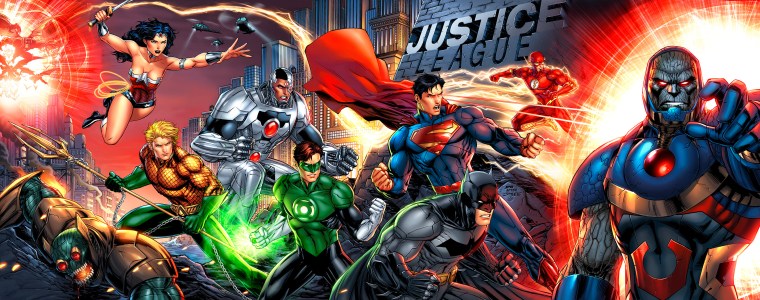
When DC comics began their massive New 52 initiative to attract new readers, one of their flagship titles was Justice League, written by Geoff Johns with the legendary Jim Lee on art. The first story arc, Justice League: Origin, is the modern story of how the team was formed. The art is gorgeous, but the story is just OK. Johns would go on to write some spectacular Justice League stories before his run on the book ended. This would also be a great place to start for anyone looking forward to the “Justice League” movie coming out in November.
Pick it up here:
On a sidenote, even though I’ve given links to buy all of these graphic novels on Amazon, I highly encourage you to check out your local comic book store and take a look at these books for yourselves. You may find something in there that you’ll enjoy much more than anything I could recommend. If you’re interested in comics, it’s a great place to meet other people with similar interests and there are always cool events and it’s just a great place to go to get into something that you may love.
As always, thanks for reading!
-Paul






 World’s Best Media